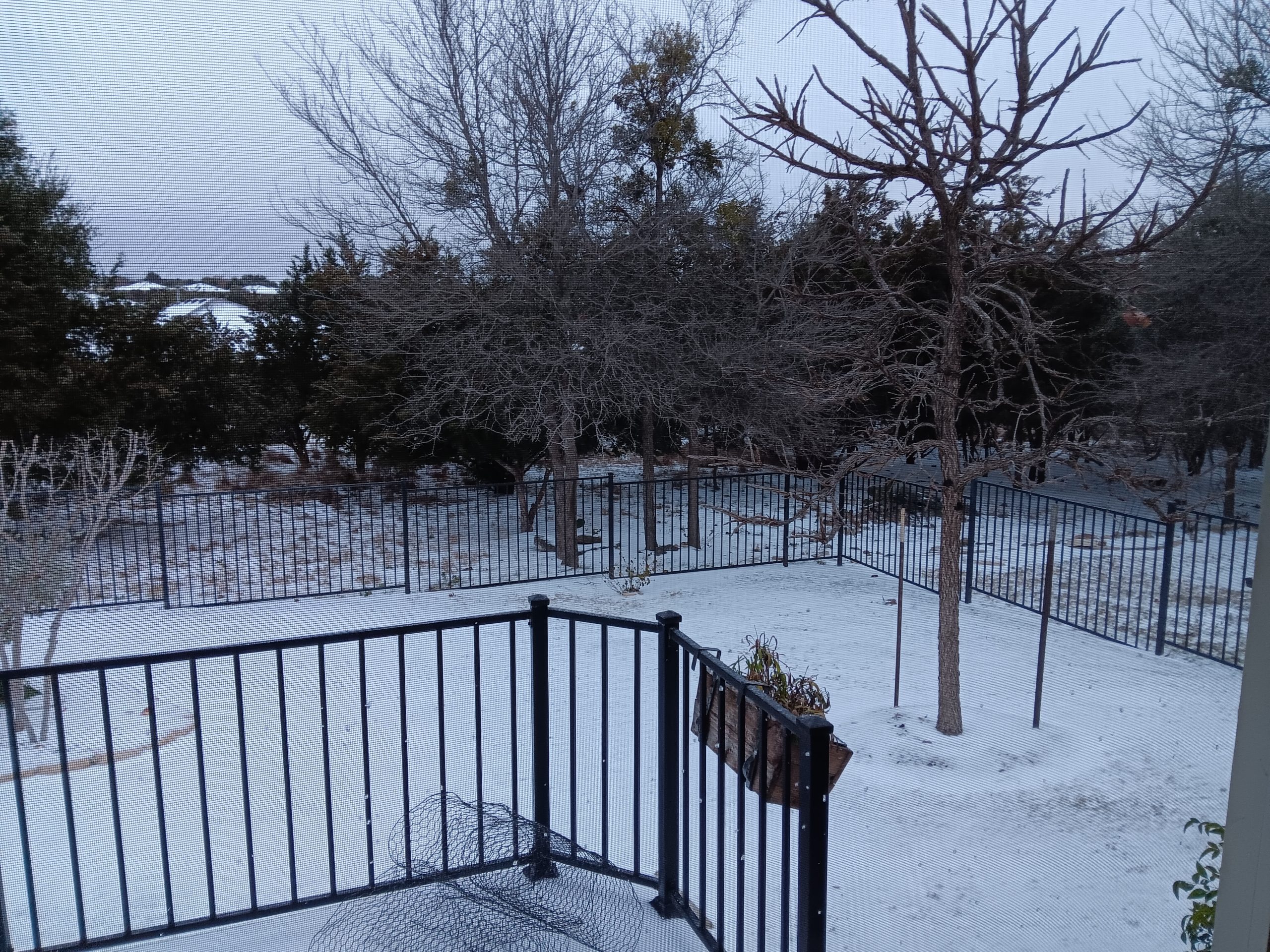
Thanksgiving is my favorite of the big holidays. Always has been. The lack of robust ornamentation, the cultural appeal of an accessible myth, and the first decent break in the school year all attracted me when I was young. (As a teacher, by Halloween I would mutter to myself, “Just get me to Thanksgiving!”) I looked forward to it as I looked forward to no other day on the calendar. I even enjoyed the date’s typically bleak landscape, deep into fall’s warning of winter, simultaneously invigorating and foreboding. Those youthful memories have defined Thanksgiving for me for more than fifty years.
 When I was a child, my family would start Thanksgiving with a visit to St. Thomas Episcopal Church, pictured on the left, for a subdued, brief service shortly after dawn. The church’s building dates from the mid-18th century, and while its stone floor and walls keep it cool in the summer, my recollection is that a small electric heater near the altar did little to warm it on Thanksgiving mornings. A graveyard sits next to the church, and after the sparsely-attended Thanksgiving service, my brother and sister and I would wander among the markers, some of which were more than two centuries old. As I braced myself against the chill I felt momentarily connected to an era marked by daily struggle, spartan living, and rigid piety. For reasons I still don’t understand, I took comfort in that connection. Its draw was profound and still is. My mother’s ashes are buried in the churchyard which no doubt contributes to my personal affection for that simple, peaceful place.
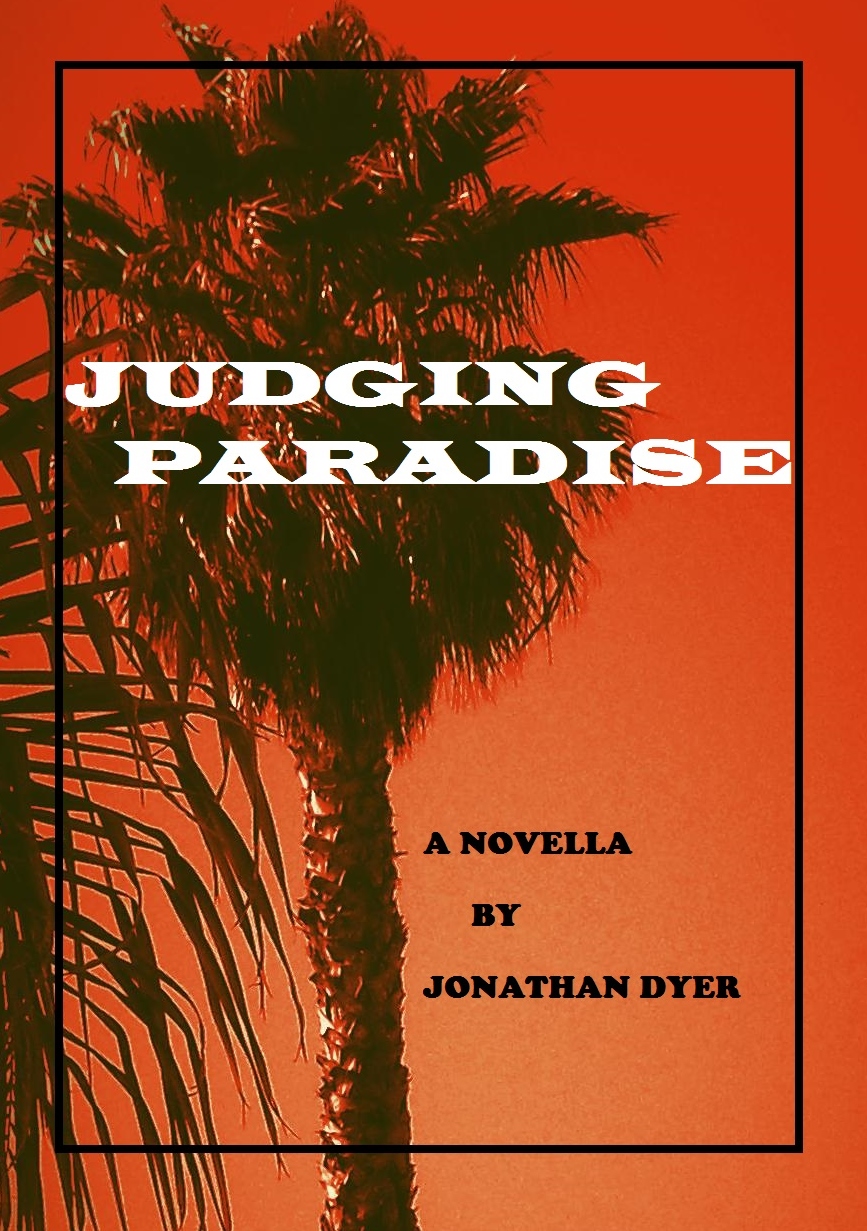 More than thirty years ago, I crafted my first work of fiction. My initial effort was a bloated, self-conscious mess. Over the course of the next decade, I revised it multiple times even as I produced other works. Eventually, I ended up with Judging Paradise, a novella, set on the fictional Caribbean island of Santa Clara. The final product was less than half as long as my first draft. By the time I was finished cutting, rewriting, and reimagining, I had placed nearly all of the book’s action on a single day, Thanksgiving. As I edited over the years, I tightened the book’s structure and gave it the narrow and dense focus of its final form. What I ended up with reflects both my years-long attraction to various expressions of existentialism and my affinity for Thanksgiving, not the most obvious of pairings, I admit. In retrospect, it’s no wonder it took me years to work it out. The result, in my view, is the closest I have come to producing something of literary merit. And its meaning to me on a personal level increases with each passing Thanksgiving.